Introduction
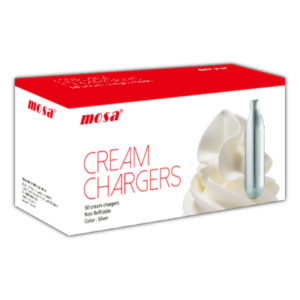
In the culinary world, N2O chargers have become an important tool, especially for creating whipped cream and infusing tastes into various dishes. These small yet powerful cylinders, also known as cream charger cylinders, consist of nitrous oxide (N2O), a gas that not just improves the texture of whipped cream however likewise serves other culinary applications. However, while they provide many advantages in the kitchen, it's essential to focus on safety when managing and saving these chargers.
In this substantial guide, we'll look into the best practices for the handling and storage of nitrous oxide cream charger cylinders Our aim is to provide you with extensive insights that guarantee security initially in your cooking adventures. From understanding the residential or commercial properties of N2O to correct storage methods, we've got you covered.
What are N2O Cream Battery Charger Cylinders?
Understanding Nitrous Oxide
Nitrous oxide is a colorless gas frequently utilized in different industries, including food and medical fields. Typically referred to as laughing gas, it has special residential or commercial properties that make it appropriate for a variety of applications.
The Role of Cream Battery Charger Cylinders
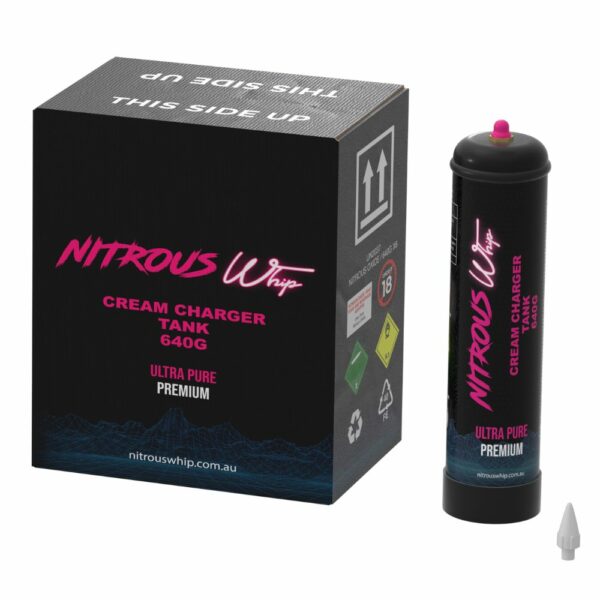
Cream battery charger cylinders, particularly designed for usage in whipped cream dispensers, consist of nitrous oxide under pressure. When launched, this gas expands rapidly, causing liquids to aerate and produce fluffy whipped cream.
Types of Nitrous Oxide Chargers
Whipped Cream Battery charger Cylinders- Primarily utilized in kitchens Ideal for light whipping cream quickly
- Another term frequently utilized interchangeably with cream chargers Popular amongst those who take pleasure in do it yourself culinary projects
Safety First: Proper Handling and Storage Tips for N2O Chargers
Why Security Matters
While N2O chargers serve important purposes in food preparation and other usages, inappropriate handling can result in mishaps or injuries. Understanding how to handle these canisters safely is paramount.
Handling N2O Chargers with Care
Inspect Before Use- Always check for any indications of damage before utilizing any nitrous oxide nang canisters Search for dents or leaks which could posture hazards.
- Ensure you're utilizing compatible dispensers created specifically for N2O battery chargers to avoid malfunctioning or accidents.
- Store away from heat sources or direct sunshine as heats can increase internal pressure.
- While nitrous oxide is safe when utilized correctly in cooking, inhaling it directly can be hazardous and ought to be avoided.
- Do not dispose of empty canisters in regular garbage; instead, follow local standards on dangerous product disposal.
Storage Standards for Nitrous Oxide Cream Battery Charger Cylinders
Ideal Storage Conditions
To keep stability and safety when keeping your cream charger canisters, think about the following:
Cool, Dry Place- Store in a cool dry area that's well-ventilated.
- Keep away from kids's reach and safely secured to prevent unexpected falls or misuse.
- Always save nang tanks upright to avoid leakages or ruptures from occurring.
- Minimize exposure time outside their storage place whenever possible after opening them.
Understanding the Risks Associated with N2O Chargers
Pressure Hazards
The main danger associated with nitrous oxide chargers originates from their pressurized nature:
- Overheating might cause them to explode. A pierced cylinder can release gas rapidly and cause injury.
Health Risks
Though usually safe when used appropriately:
- Direct inhalation may lead to hypoxia (lack of oxygen). Misuse can cause neurological results gradually due to lack of oxygen supply.
FAQs about N2O Chargers
1. What takes place if I breathe in nitrous oxide directly?
Inhaling nitrous oxide straight might lead to dizziness, loss of coordination, and even unconsciousness due to reduced oxygen levels in your bloodstream.
2. Can I keep my N2O battery chargers in a hot garage?
It's not suggested; heats increase pressure inside the cylinder which might result in rupture or explosion.
3. What need to I do if I find a damaged charger?
Do not attempt to use it; securely dispose of it according to regional contaminated materials guidelines immediately.
4. Are there age limitations on purchasing N2O chargers?
Yes! Lots of places require buyers to be a minimum of 18 years of ages due to possible abuse related to inhalation.
5. The length of time do N2O battery chargers last?
Typically unopened battery chargers have an indefinite service life but must be examined regularly for damage or signs of wear before use.
6. Are there specific brands that are better than others?
Quality varies among manufacturers; constantly select trusted brands known for rigorous safety standards like Whip-It! or iSi.
Conclusion
Handling nitrous oxide cream charger cylinders requires alertness and adherence to safety practices to avoid accidents and guarantee accountable use. By comprehending what these battery chargers are, how they work, and implementing reliable storage techniques, you substantially lower dangers associated with them while maximizing their cooking potential.
As we've explored throughout this article on "Safety First: Correct Handling and Storage Tips for N2O Chargers," understanding is power-- specifically when handling pressurized gases like nitrous oxide (N2O). Whether you're whipping up tasty desserts or try out brand-new tastes in your kitchen productions, always keep in mind: security comes first!
This detailed guide aims not just at educating users about safe practices however likewise instilling confidence in their capability to manage these tools efficiently-- guaranteeing every culinary adventure remains pleasurable and incident-free!